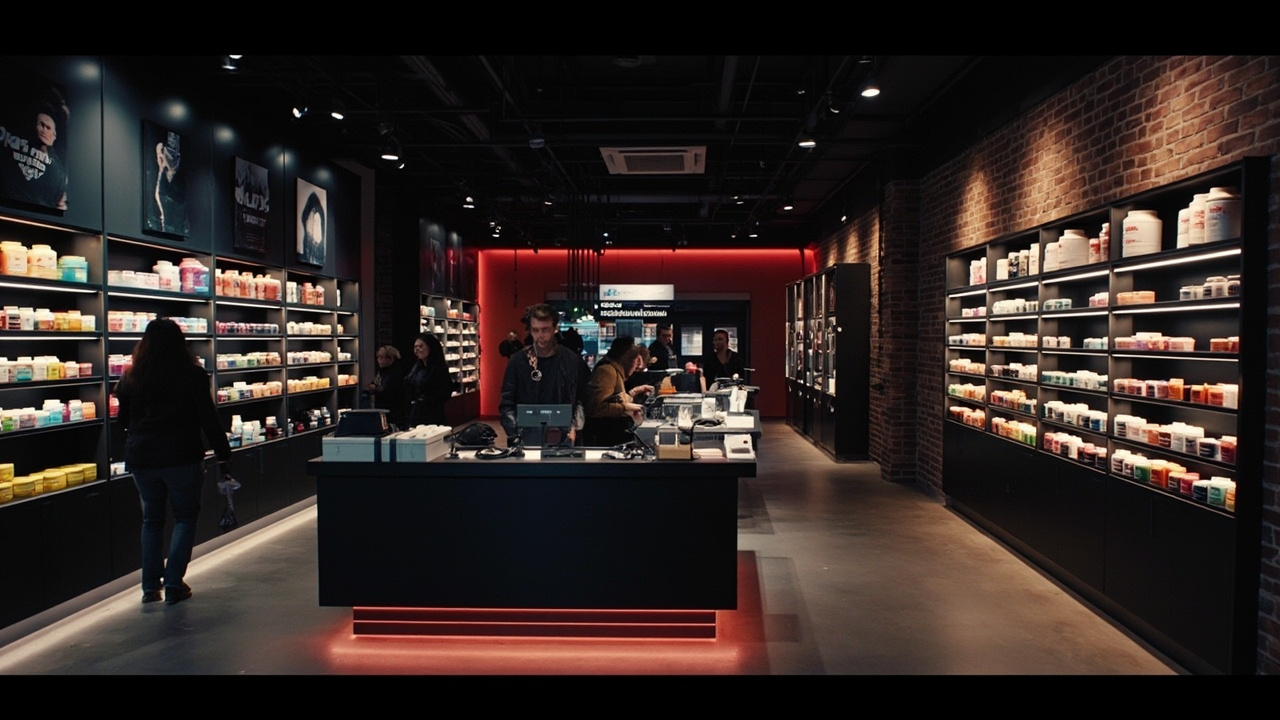

The supplement market encompasses a diverse range of product categories, each with distinct consumer bases, sales patterns, and margin structures. Understanding these categories helps retailers make informed purchasing decisions and optimize their product assortments.
Protein supplements remain the cornerstone of most supplement retailers' offerings. This category includes whey protein concentrates and isolates, plant-based proteins (soy, pea, rice, hemp), casein proteins, and specialized formulas like mass gainers. Protein products typically offer strong margins and consistent demand from both serious athletes and general fitness consumers.
Pre-workout supplements have experienced tremendous growth, particularly among younger consumers and gym-goers seeking enhanced energy and focus. These products typically contain caffeine, beta-alanine, creatine, and various amino acids. The category continues to evolve with formulations trending toward stim-free options and pump-focused products without excessive stimulants.
Amino acid supplements—particularly branched-chain amino acids (BCAAs) and essential amino acids (EAAs)—appeal to consumers focused on muscle preservation and recovery. These products tend to have strong repeat purchase rates among dedicated training populations.
Creatine remains one of the most researched and effective supplements available, with applications for both athletic performance and cognitive function. Retailers should ensure adequate stock of various creatine forms, including creatine monohydrate, HCL, and buffered formulations.
Weight management supplements span thermogenics, appetite suppressants, and meal replacements. This category faces particular regulatory scrutiny and consumer skepticism, making brand reputation and evidence-based formulations particularly important.
Vitamins and minerals serve a broader consumer base beyond athletes, creating opportunities for retailers to attract non-fitness customers. Basic supplements like multivitamins, vitamin D, omega-3s, and magnesium consistently rank among the best-sellers across supplement retailers.
Functional beverages and ready-to-drink products represent a growing category, including protein shakes, energy drinks, and hydration products. These items typically command premium pricing and appeal to convenience-focused consumers.
When planning your product assortment, consider your customer base's specific needs and preferences. A gym-focused retailer might emphasize pre-workouts and protein, while a health-focused store might prioritize vitamins and functional supplements. Regularly review sales data to optimize your mix and identify emerging category opportunities.